Powder Room Sinks and Toilets: What Fits, What Holds Up

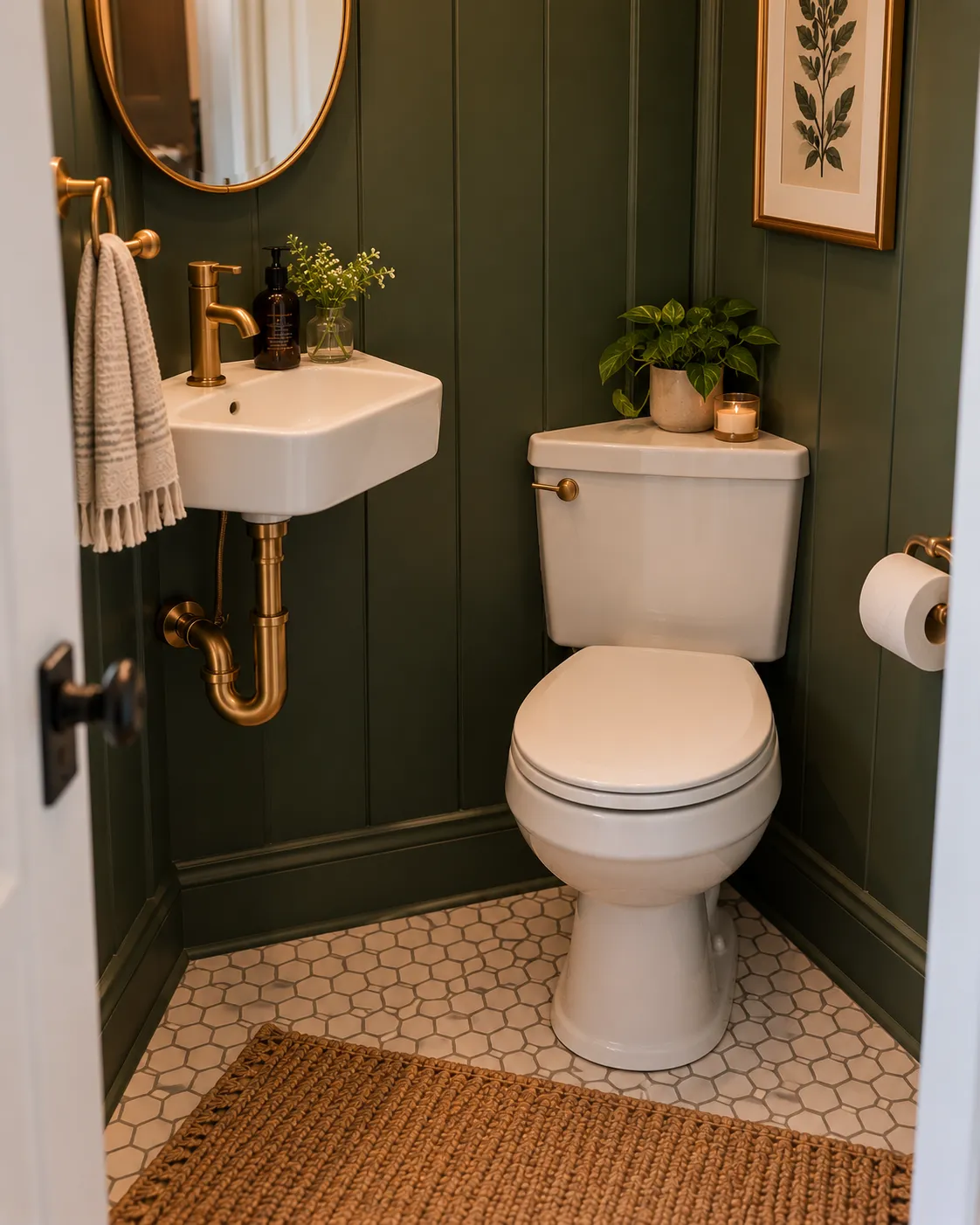
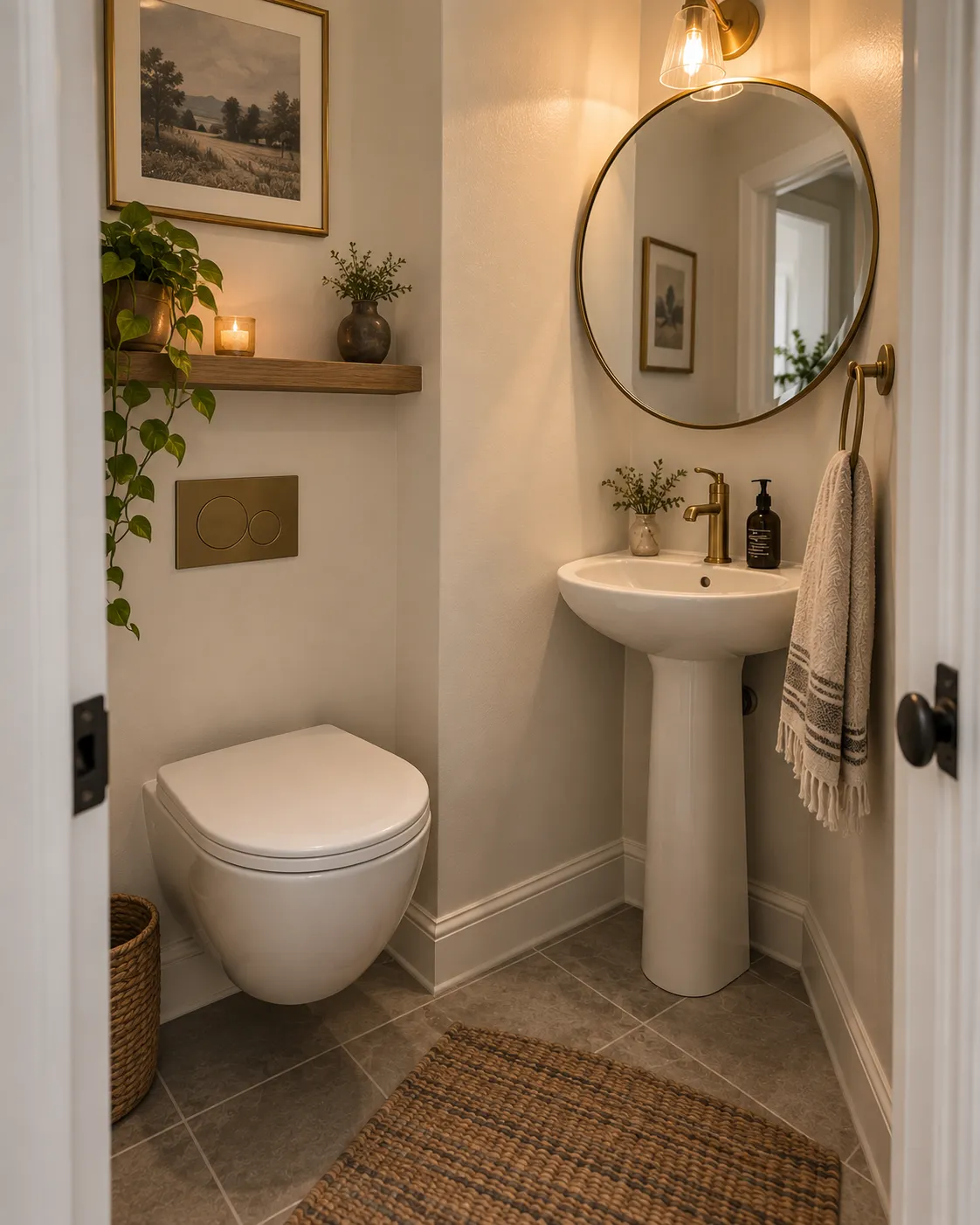
My in-laws’ basement powder room is under 20 square feet, with a corner sink and a wall-mounted toilet — a real, lived-with example of how much these two fixture choices matter when a room genuinely can’t spare the space. Here’s what I’d actually put in a tight powder room, sink and toilet both.
$100–$300
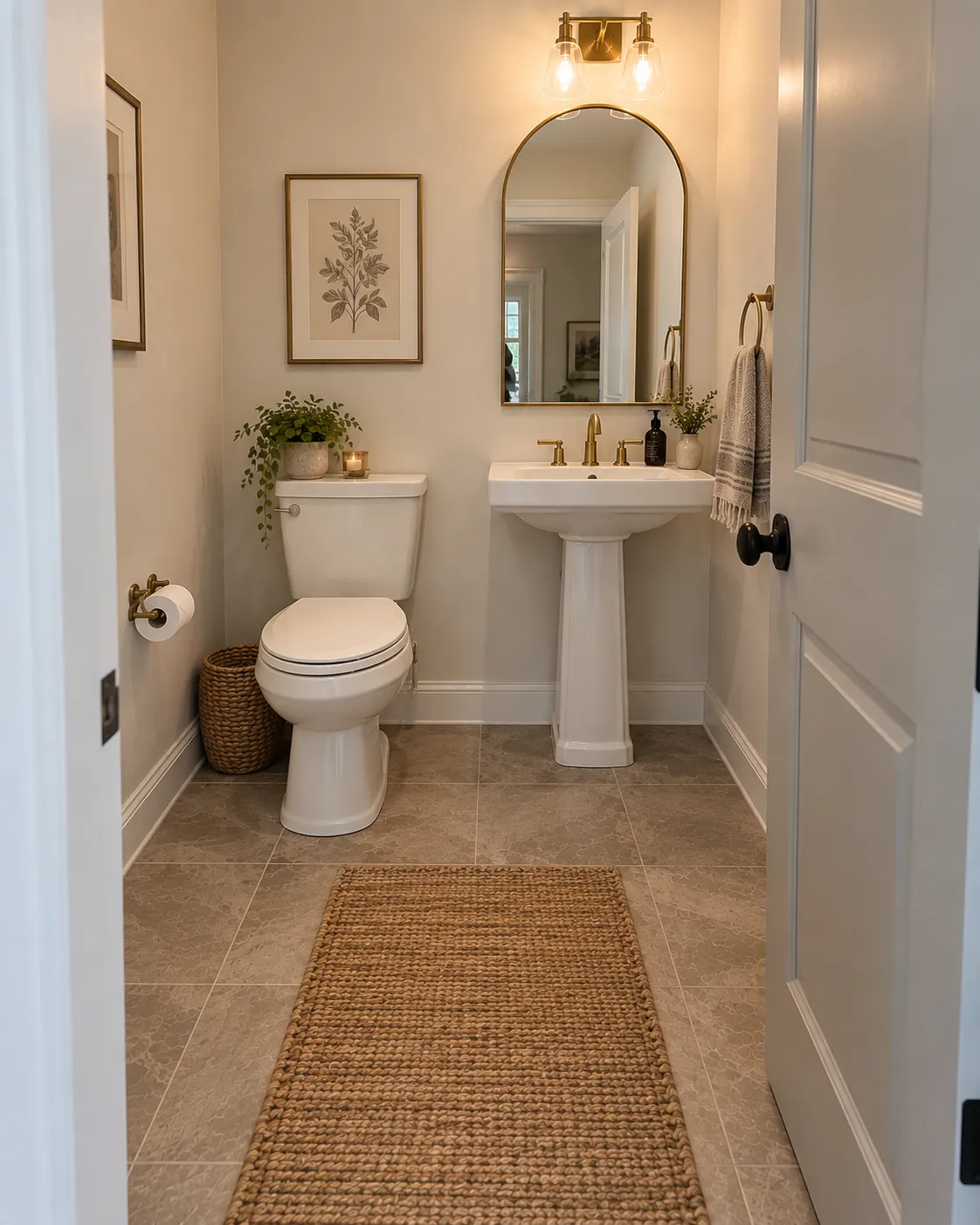
The trade-off: I haven't installed this specific sink. Kohler sells the basin and the pedestal leg as two separate SKUs (e.g. the Wellworth basin is K-2296, the matching leg is K-2019) — check that a listing includes both before ordering, since some retailers only stock the basin. Zero storage either way — you're gaining floor openness and losing the drawer or cabinet space a vanity would give you, so plan separate storage if you need to hide anything.
The lowest-hassle install of the three sink styles here, and the right pick if your room's style leans traditional rather than modern.
See Kohler pedestal sinks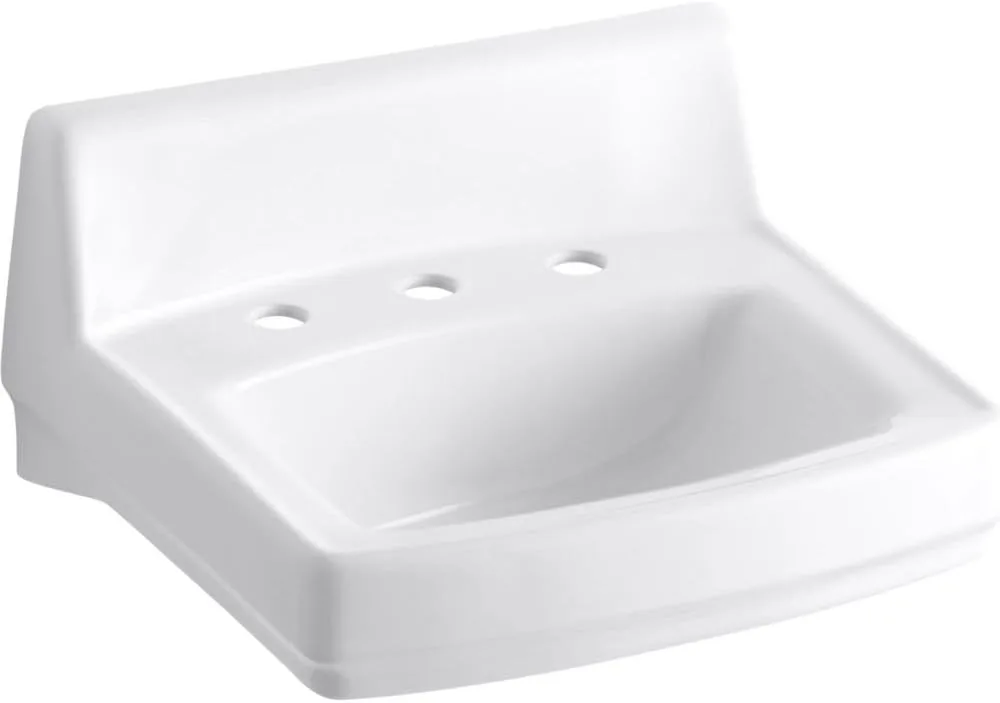
Roughly $95–$150
The trade-off: I haven't installed this specific sink. It needs real wall blocking to support the weight and hide the plumbing — budget for that if the wall isn't already open.
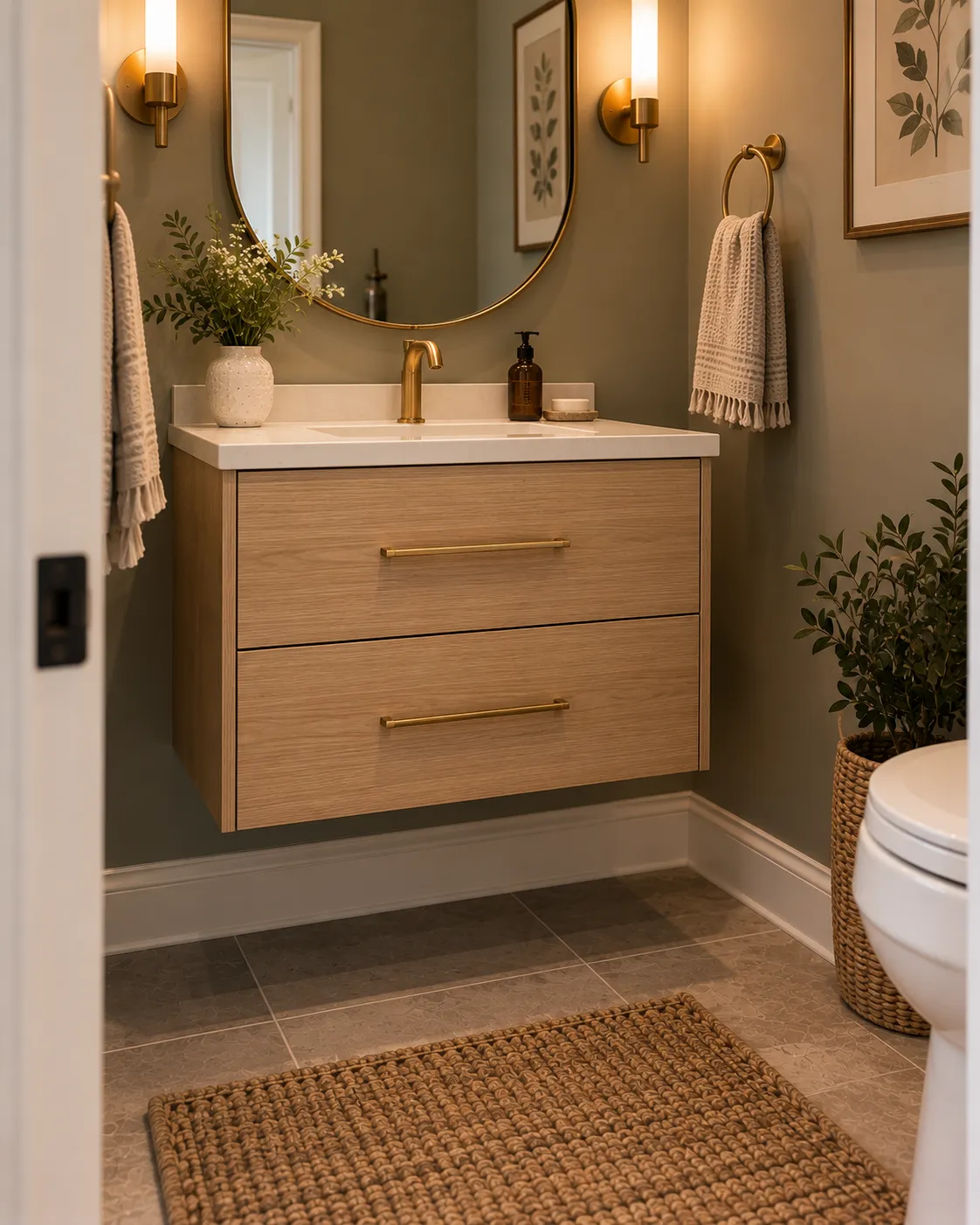
My pick for a modern-leaning small powder room where you want the open-floor look without a pedestal's traditional shape.
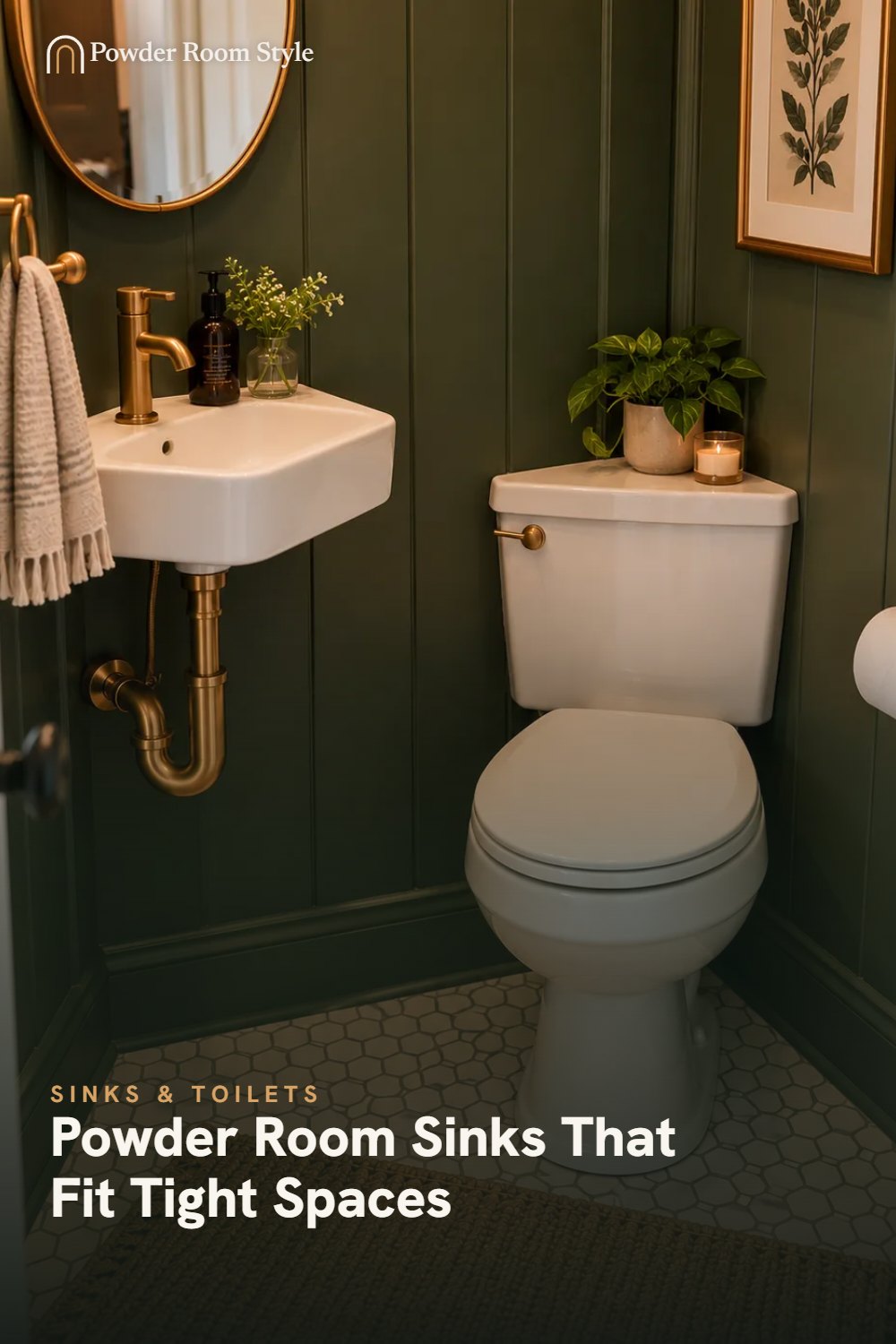
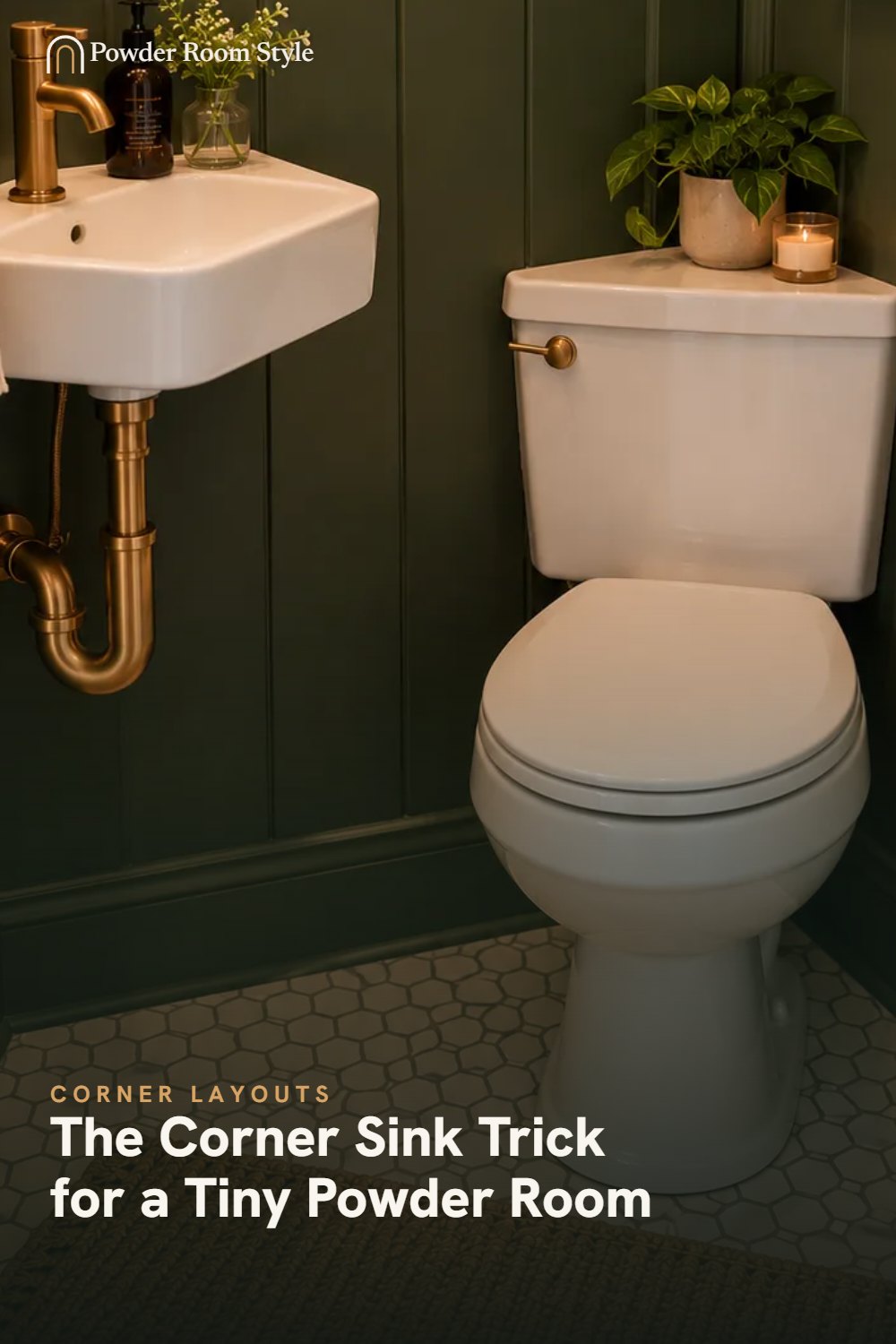
See the Greenwich wall-mount sinkFor a genuinely tight corner, a dedicated corner sink (a basin shaped to tuck into a 90-degree angle) frees the center of the room the same way a corner toilet does — worth searching specifically if your room’s proportions make a standard sink placement awkward.
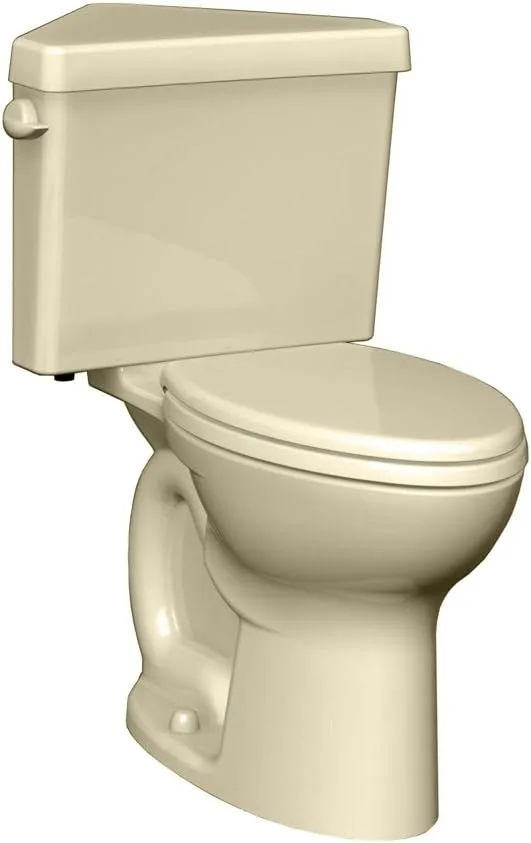
Roughly $240–$300
The trade-off: I haven't installed this toilet myself. Corner placement only helps if your room's layout actually has a usable corner near the drain rough-in — don't buy this expecting to relocate plumbing to make it fit.
The clear pick if your room's layout has a corner to use — pairs naturally with a corner sink in the opposite corner.
See the Cadet 3 TriangleFor a standard (non-corner) footprint, look for a “compact elongated” bowl — it keeps the more comfortable elongated seat shape in a shorter overall length than a full elongated bowl. Brands like Swiss Madison, Kohler, and DeerValley all make compact-elongated models in the $200–$450 range; check the rough-in size against your existing plumbing before ordering, not the brand name.
Wall-mounted toilets (bowl hung on the wall, tank concealed inside it on a steel carrier) save the most floor space of any option and make mopping genuinely easier, but they cost more and require opening the wall to install the carrier — realistically a full-gut decision, not a swap-in upgrade.
Toilet centerline: at least 15 inches from the nearest wall or fixture. Clear floor space in front of the toilet: at least 21 inches. Rough-in (the distance from the finished wall to the drain center): almost always 12 inches on modern toilets, though 10- and 14-inch variants exist — measure your existing setup rather than assuming before you order a replacement.
The toilet's centerline needs to sit at least 15 inches from the nearest wall or fixture, and you need at least 21 inches of clear floor space in front of it. These are the numbers I'd check before assuming any toilet — corner or standard — will actually fit your room.
That's the distance from the finished wall behind the toilet to the center of the drain, and it's the single most important number when replacing a toilet — the wrong rough-in means the toilet won't seat correctly no matter how much you like it. 12 inches is the standard you'll find on most toilets; measure your existing setup before ordering rather than assuming.
Yes, and they work best as a pair. A corner sink and a corner (triangular-tank) toilet placed in opposite corners free up the entire center of the room for walking space, which matters more in a powder room than the fixtures' individual footprint does. I'd only skip corner fixtures if your room's proportions genuinely don't have two usable corners.
Yes, meaningfully. Both need blocking or a steel carrier system built into the wall to support the weight, which is straightforward during a full gut and a real obstacle to retrofit into a finished wall. If you're not already opening the wall for other work, a floor-mounted toilet and a pedestal or console sink are the lower-effort choice.
Look for "compact elongated" bowl shapes specifically — they give you the more comfortable elongated seat without the full footprint of a standard elongated bowl. A round-bowl toilet saves a couple more inches if the room is truly tight, at some comfort cost. WaterSense certification is worth checking too; it's a real efficiency standard, not just a marketing label.
One email, every other Sunday
Plus one small-space fix each issue. No affiliate dumps, no 40-item roundups.
No spam. Unsubscribe in one click.